The Intersection of Light Painting Still Life Photography and Painting.
Mar 28, 2026There is undoubtedly a connection between still life light painting photography and still life painting.

"Still Life with Watering Can" © Harold Ross
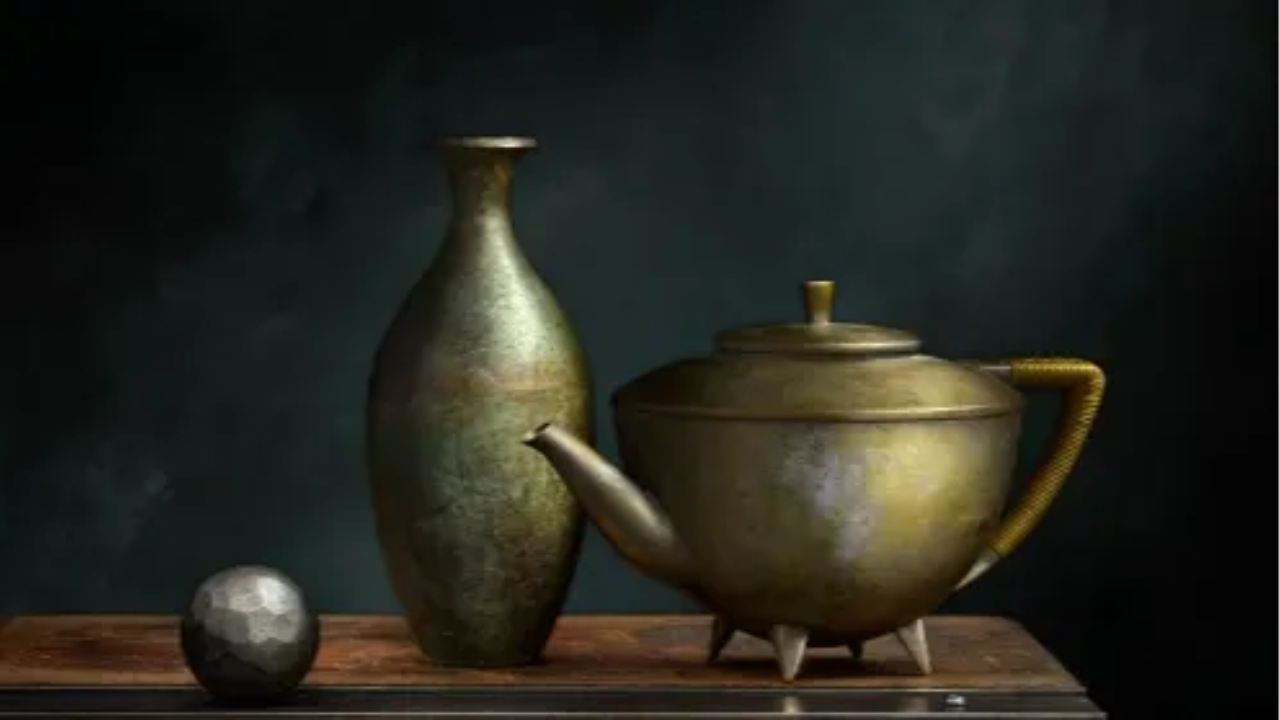
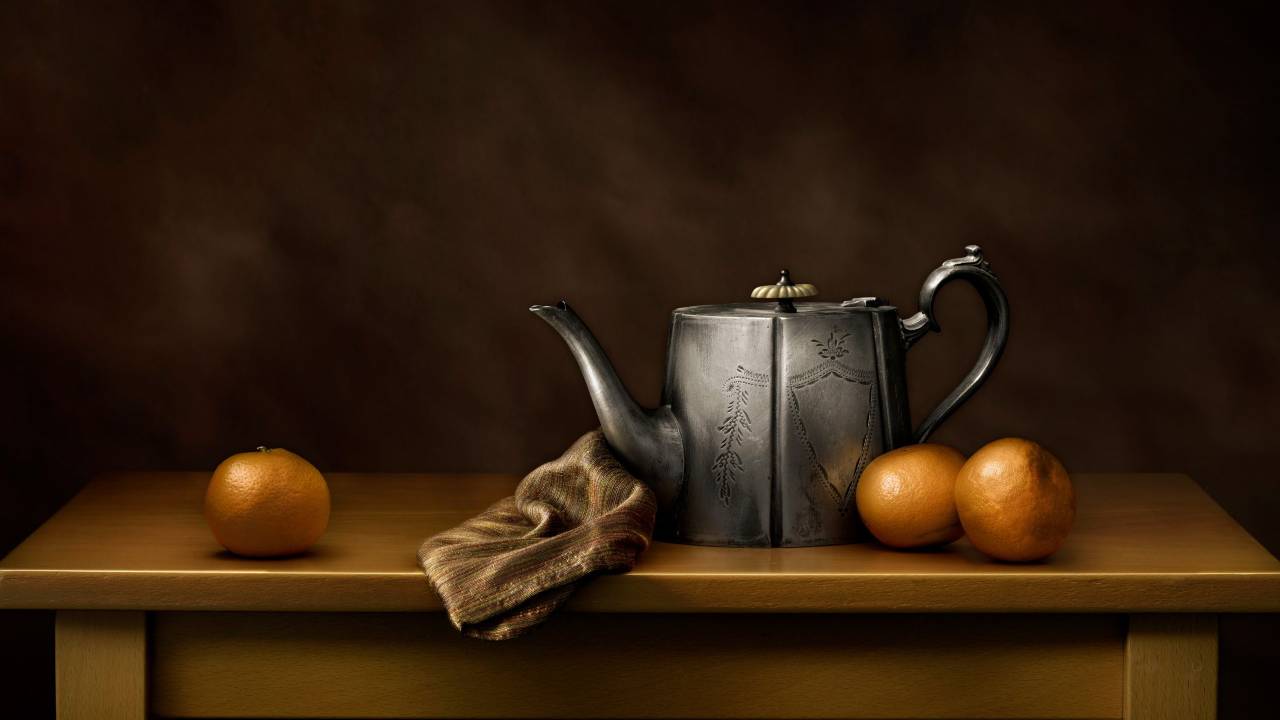
First and foremost, we must consider the subject matter. There's no denying that the subject matter can be quite similar or even sometimes identical, and we can also say the same about composition concepts.
Where things get truly captivating is in the visual appearance of the finished photograph. I've often heard that my photographs resemble paintings. Why is that?
I believe it's because the lighting effects of light painting render subjects in a highly dimensional and detailed manner, much like a painter renders objects with pigment. There is, however, more to the story!
In my Light Painting Process, when shooting, we have exceptional control over the sculptural volume and shape of the subject matter, and the lighting itself creates an abundance of texture or detail.
However, the key here is that we, in the editing process, have the freedom to further enhance both the shape and the detail of that subject matter. This process is not only incredibly intriguing and rewarding but also incredibly enjoyable! And, one doesn't need the exceptional skillset that a painter possesses.

"Still Life with Copper Funnel" © Harold Ross
Over the many years that I've dedicated to light painting, I've discovered a fascinating philosophical distinction between photography and painting when it comes to still life. In essence, a painter is essentially "flexing their painting muscles." A highly skilled painter can render an incredibly simple subject, but due to the immense skill required, the end product can be incredibly engaging simply because pigment can take on a three-dimensional appearance.

"Sheffield Measuring Tape" © Harold Ross
The Dutch painters developed a style of painting known as 'Pronkstilleven', which essentially meant an "ostentatious" or "ornate" approach. While much of the subject matter involved symbolism and even messages about morality, I believe that the incredibly complex paintings were a way for these exceptionally talented painters to showcase their artistic prowess. In many of these paintings, the details were rendered to such a high degree of realism that they were incredibly powerful. Even today, given our exposure to AI and other visual advancements, witnessing one of these paintings in person remains an awe-inspiring experience.
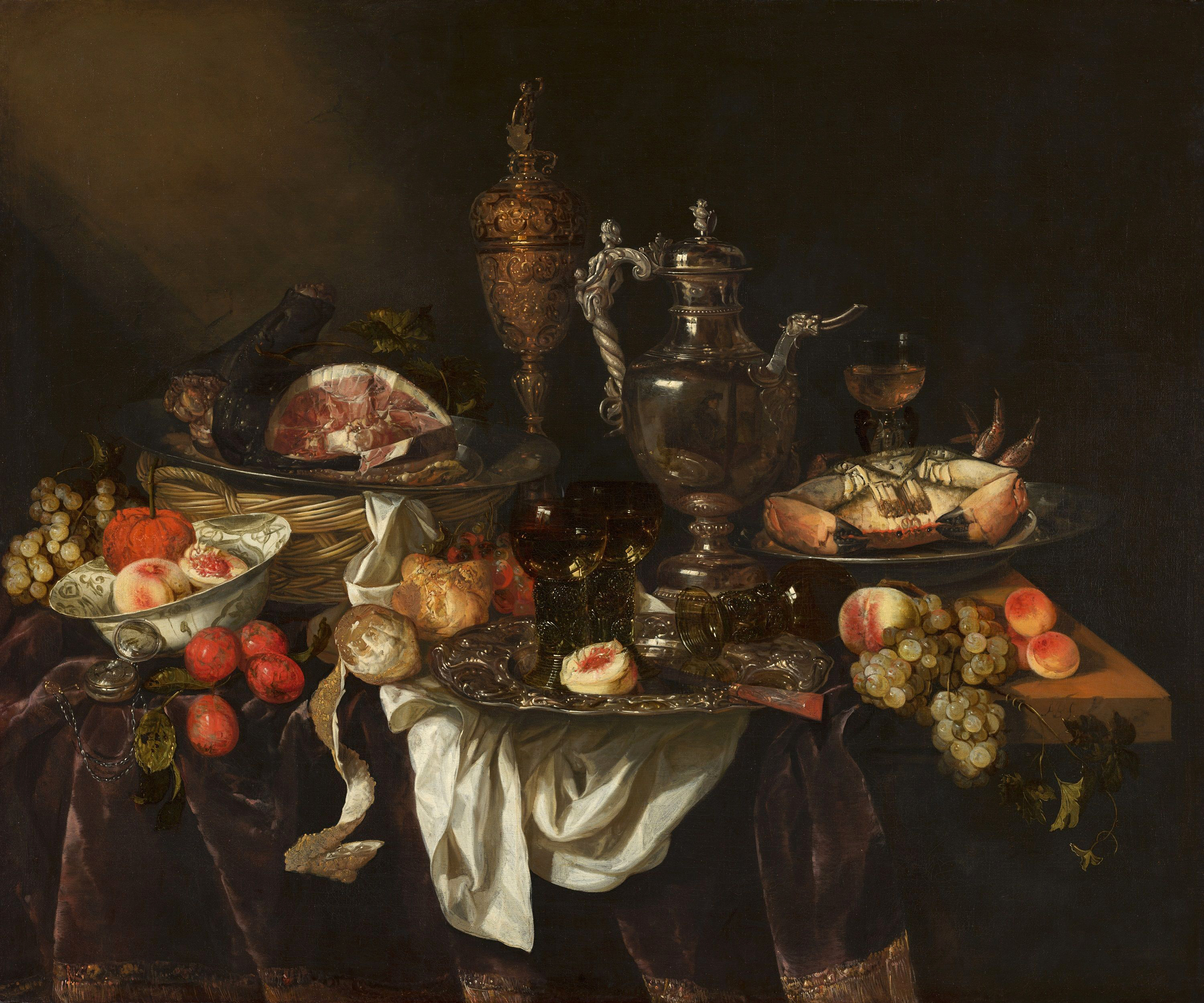
Painting by Abraham van Beyeren
Interestingly, I believe that in photography, working at the level of Dutch painters (in terms of overly complex image content) is unnecessary. In my opinion, an overly complex image can be quite distracting in a photographic sense.
In photography, the narrative often revolves around the reasons behind our choice of specific elements in a composition. But what about an extremely simple subject? Wouldn't this simply result in a dull photograph, lacking aesthetic power and presence? And then the ultimate question arises: can we consider light painting as an art form?
I believe that's true, but using proper still life photography techniques, especially light painting (along with some aesthetic vision), can transform that extremely simple subject into something much more powerful.
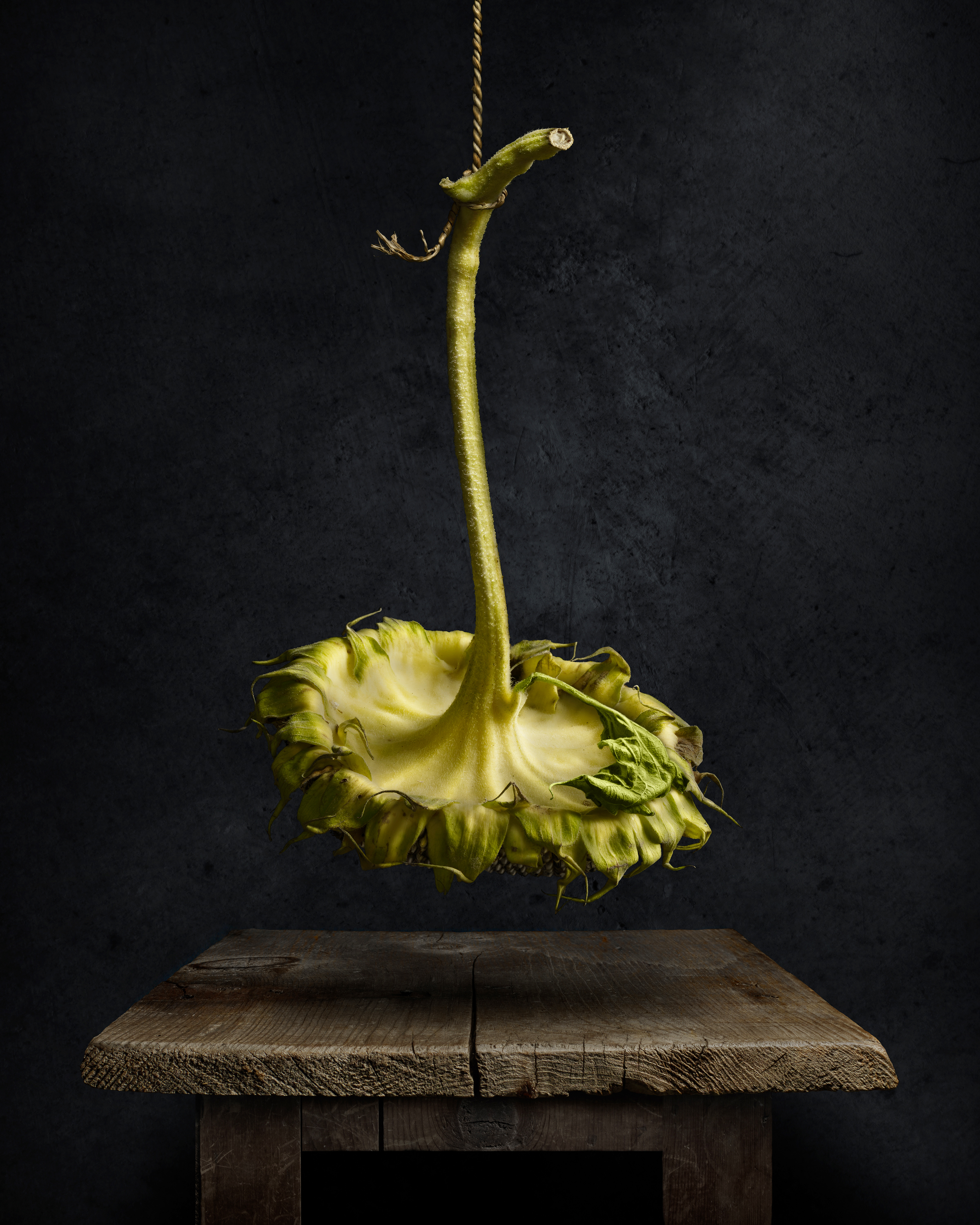
"Sunflower" © Harold Ross
This enchanting process involves both exceptional lighting and proper editing, which I refer to as "sculptural masking." We're truly combining photography and painting techniques by using a very three-dimensional method of applying paint to the mask on our layers in Photoshop.
Taking a strongly well-lit image, and enhancing it through this dimensional masking, is a force multiplier that can result in an image with an impact we wouldn't see with conventional lighting!
Indeed, the process reveals aspects of our subject matter that we would never see under normal lighting conditions.
This is why, after over three decades of light painting, I am still excited every time I make a photograph! The process is so rewarding and, as I mentioned above, so much fun!
Happy Light Painting!... and always remember... Skim The Light.
- Harold
*****
Creating light painted still life images is extremely rewarding, and something which I teach in great detail throughout my comprehensive Light Painting Online Video Course.
See some images that my students have produced here: Student Images, and what they are saying about my Online Course here: Student Testimonials.