Creating Mood and Atmosphere in Light Painting The Still Life
Aug 27, 2026
Onion Sprout #1 © Harold Ross
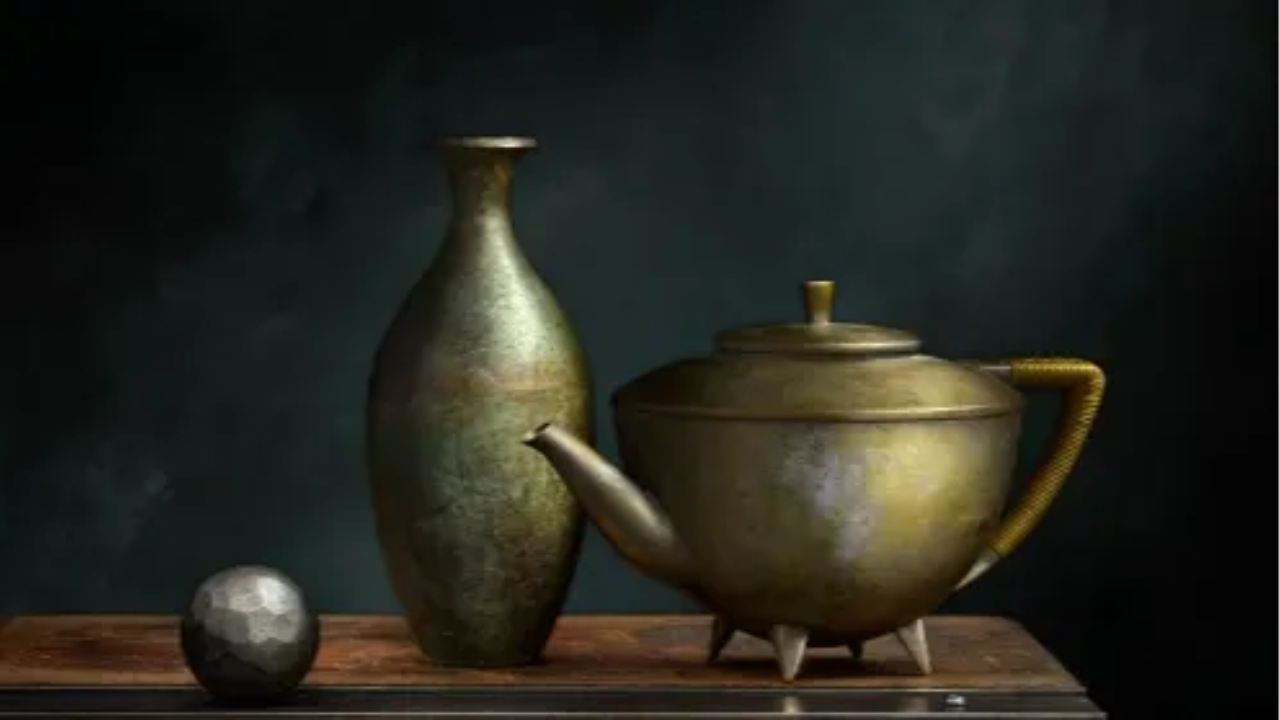
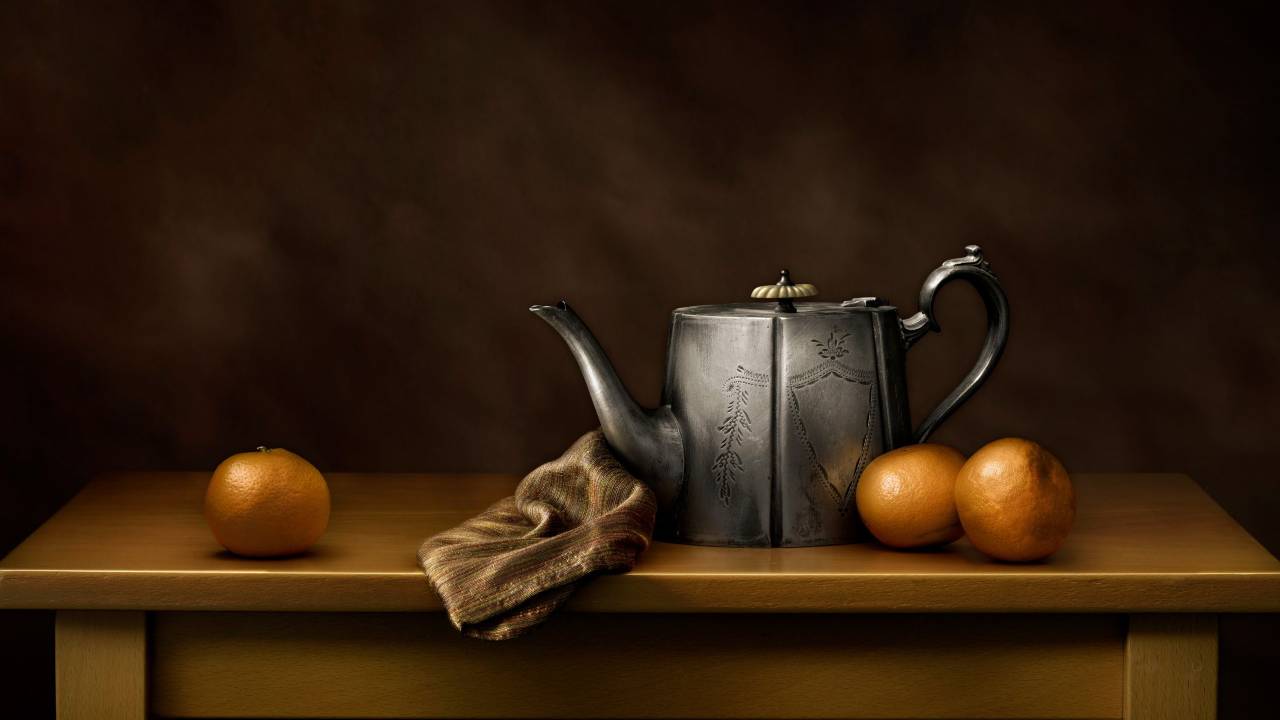
If you've been following my work and teaching methods, you'll know that I often emphasize maintaining simplicity in content. I encourage my students to keep things simple, especially at the beginning of their learning journey. However, I also believe that simple images have a greater potential for impact than complex images!
One of the most significant challenges in setting the mood in still life photography, particularly when working with light painting, is that we often overlook the emotional impact of lighting during the composition phase. Consequently, we frequently find ourselves dissatisfied with the result. This dissatisfaction can lead to a subconscious desire to add more elements or subject matter to the still life, hoping to enhance its engagement and appeal.
It is only after we experience the true atmosphere in light painting that we fully comprehend its profound impact on the final image.
I strongly recommend that my students always incorporate a quick light painting session during the composition phase. This technique not only elevates the subject matter, but also helps curb the tendency to excessively add elements to the composition.
There are also some general guidelines that I adhere to when creating and maintaining mood in a light-painted photograph. I believe it would be most convenient to list them here:
• In my opinion, it's crucial to maintain a sense of softness in the light. We achieve this in light painting by properly moving the light source, and by using an appropriate light-to-subject distance. Subsequently, in the editing process, we employ specific masking techniques to preserve the softness. I firmly believe that soft light is more aesthetically pleasing than hard light, but it can still be incredibly dimensional (and even dramatic) when handled skillfully.
• This softness, when combined with detail (texture), can be quite compelling!
• I make an effort to avoid having very light areas that exit the frame of the image. I believe this creates a distraction and draws the eye away from the typically "central" imagery of the photograph.
• When thinking about the image tonally, we really must consider that we (in general) subconsciously see lighter things as coming forward (or toward the light) and darker things as receding. By keeping this in mind during the editing process, we can effectively control and enhance the depth of the image.

My Grandfather's Knife © Harold Ross
The image above is an example of one of these simple images - just two elements and a background. This knife (with a bone handle and over 100 years old), once owned by my grandfather, is one of my most prized possessions. One of the things I absolutely love about light painting still life is that I can photograph objects that have special meaning to me, and the proper use of light painting can reveal a subject's essence and possibly even its spirit.
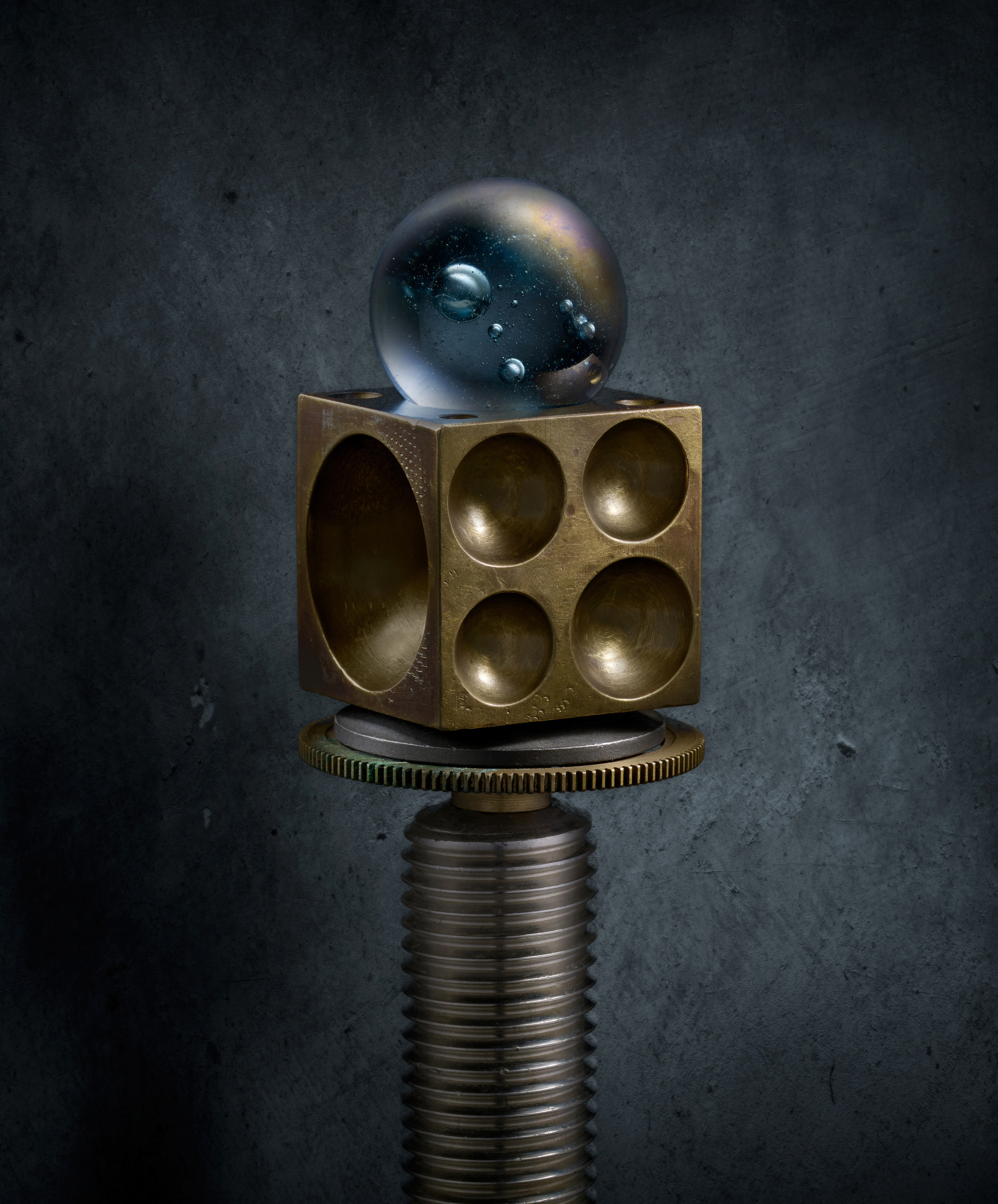
Still Life with Jeweler's Anvil and Marble © Harold Ross
I believe that when the lighting and editing are done well, we can achieve a tremendous amount of depth, dimension, and detail, making the image much more than what we see under normal lighting conditions.
The technique, when used well, ensures that we can capture an exceptional amount of mood in light painting even with a simple subject!
Happy Light Painting... and always remember... Skim The Light.
- Harold
*****
Creating light painted still life images is extremely rewarding, and something which I teach in great detail throughout my comprehensive Light Painting Online Video Course.
See what students are saying about my Online Course Here: Student Testimonials.